AIJurium - это шотландская инициатива, посвящённая практическим вопросам права и управления искусственным интеллектом. Платформа публикует...

US drone usage grows as final federal regulations slow to get off the ground
Nov 23, 2015

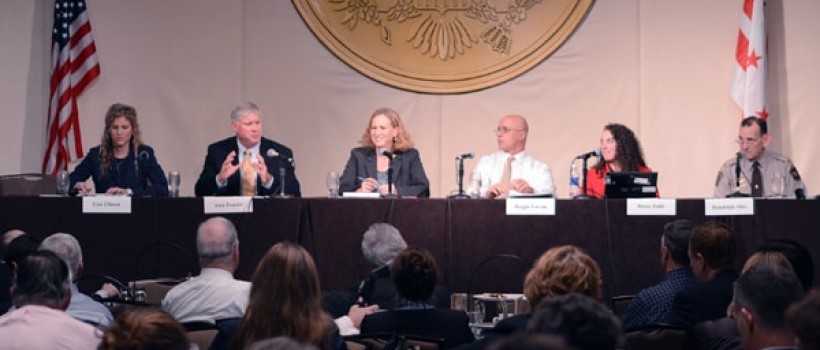
An expert panel addresses drone regulation during the ABA's 25th Annual Review of the Field of National Security Law Conferencein Washington, D.C.
Reginald C. Govan, chief counsel for the Federal Aviation Administration, said the traditional rules governing air-related matters begin to breakdown when they are applied to drones, also known as unmanned aircrafts.
“The initial thinking was that we could take the panoply of federal regulatory requirements and structure that built up around manned aircraft in the last 70 years and simply transport it into the unmanned world,” Govan explained. “But after around 18 to 24 months of trying to do that we realized that was a nonstarter. We literally tore up all the work that had been done inside the agency and did a reset and started over.”
Govan said that more recent efforts resulted in the Notice of Proposed Rulemaking, the FAA’s first effort to define requirements for the operation of drones for commercial purposes.
He said the growing popularity of unmanned aircrafts system opens a national conversation around whether the federal and state relationship over control of airspace should be redefined.
Moderating the program at the Capital Hilton was Laura K. Donohue, professor at Georgetown University Law Center in Washington, D.C., and director of the Center on National Security and the Law.
The U.S. Supreme Court’s existing doctrine on the unmanned aerial systems is “utterly ill-suited to the technologies of which we are now faced,” Donohue said, noting that the use of drones is one of the most pressing and technologically intensive legal questions of our time.
She added that the statutory and regulatory regimes also lag in remaining consistent in being able to handle key legal questions surrounding drone usage.
Donohue said the varied use of drone technology for everything from photography, to mapping, hunting, criminal investigations and lethal force, raise key legal questions involving First, Second, Fourth, Fifth and Tenth Amendment rights.
Though Congress in 2012 mandated that the FAA institute regulations on drones in the U.S. airspace by Sept. 30, the agency missed the deadline and still grapples with safety concerns over drone usage.
Lisa Ellman, partner and co-chair of the global unmanned aircraft systems practice at Hogan Lovells law firm in Washington, D.C., said that by early next year there likely will be a “final rule broadly authorizing drones in our national airspace.”
The 25th Annual Review of the Field of National Security Law Conference was sponsored by the ABA Standing Committee on Law and National Security.
User login
Son xəbərlər
19 January 2026
AIJurium is a Scotland-based initiative focused on practical AI law and governance awareness. It offers clear, structured updates on AI regulation...
19 January 2026
AIJurium süni intellekt hüququ və idarəetməsi üzrə Şotlandiya əsaslı təşəbbüsdür. Platforma AI tənzimlənməsi, siyasət inkişafları, məhkəmə işləri...
Education - This is a contributing Drupal Theme
Design by WeebPal.
Design by WeebPal.